The digital world is constantly evolving, and businesses must keep up with the latest web development trends to stay competitive. As we head into 2024, new technologies and methodologies are emerging that promise to reshape the way websites are built and experienced. Whether you’re an e-commerce platform, a service provider, or running a local business, understanding these trends can help you future-proof your website and boost your business’s performance. Here are the top five web development trends to watch in 2024.
1. AI-Powered Web Development: The Future of Personalized Experiences

Artificial Intelligence (AI) is transforming web development, making websites smarter and more responsive to user needs. From chatbots that provide instant customer service to algorithms that personalize content, AI is enhancing how websites interact with visitors.
- Why It Matters: AI tools can analyze user behavior, optimize content delivery, and improve user engagement. For example, e-commerce sites use AI to recommend products based on browsing history, leading to higher sales conversions.
- Business Impact: AI-driven websites can offer personalized experiences for each visitor, improving customer satisfaction and driving more engagement. Implementing AI also streamlines repetitive tasks, such as responding to FAQs through automated chatbots.
Example: Amazon’s recommendation system, powered by AI, has been a key driver in increasing the company's online sales by suggesting relevant products to customers.
2. Progressive Web Apps (PWAs): The Best of Both Worlds

Progressive Web Apps (PWAs) are web applications that function like native apps on smartphones and desktops. They offer fast load times, work offline, and provide a native app experience without requiring users to download an app from the app store.
- Why It Matters: PWAs combine the accessibility of the web with the user experience of mobile apps. They load faster, are more responsive, and consume less data.
- Business Impact: Businesses can engage more users without the added cost of developing a mobile app. PWAs also improve user retention and conversion rates by providing a seamless, fast, and intuitive experience.
Example: Starbucks saw a twofold increase in their daily active users after launching a PWA that delivers offline functionality and quick load times for their menu and orders.
3. Motion UI: Engaging Visitors with Interactive Design

Gone are the days of static, uninspired websites. Motion UI, a design technique that incorporates animations and transitions, is gaining popularity for its ability to enhance user engagement. Whether it’s subtle animations that guide users through a process or bold, eye-catching transitions that highlight key content, Motion UI helps keep visitors focused.
- Why It Matters: Motion UI can help reduce bounce rates and increase time spent on your website by creating an immersive experience. It adds a layer of interactivity that draws users into the content and makes navigation intuitive.
- Business Impact: A well-executed Motion UI can lead to higher user engagement and ultimately, more conversions. Whether it’s guiding users through a checkout process or highlighting a call to action, motion design can be an effective tool for keeping your visitors engaged.
Example: Websites like Airbnb use subtle animations in their user interface to create smooth transitions between sections, making the experience of booking stays and exploring properties more intuitive and enjoyable.
4. Voice Search Optimization: Adapting to the Rise of Voice Assistants
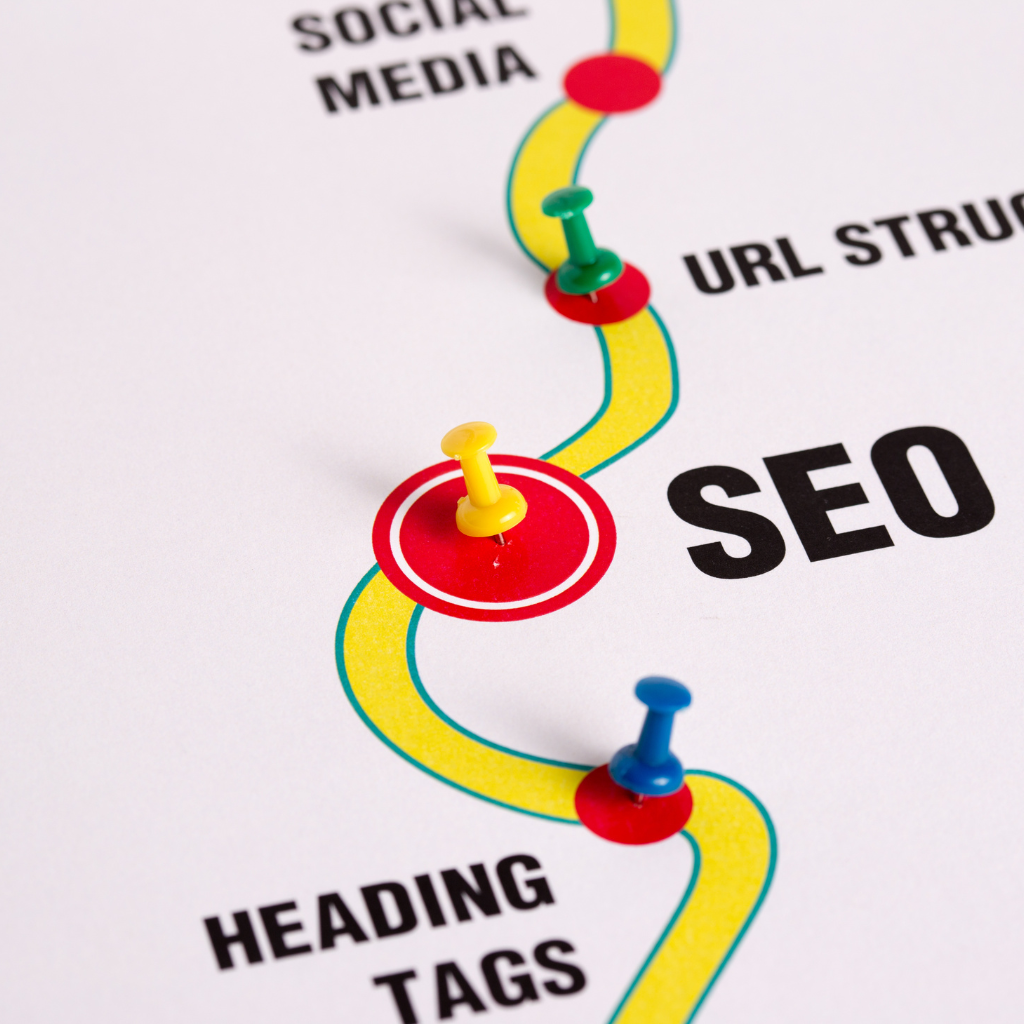
As voice assistants like Siri, Alexa, and Google Assistant become increasingly integrated into our lives, optimizing websites for voice search is becoming crucial. More people are using voice commands to search for information, make purchases, and interact with businesses online.
- Why It Matters: Voice searches differ from traditional typed queries, often being longer and more conversational. Businesses need to adapt their SEO strategies to include more natural, question-based phrases.
- Business Impact: Optimizing for voice search can boost your site’s visibility in search engine results. Voice search users are often looking for immediate, local solutions, meaning businesses that optimize for voice search can capture more local traffic.
Tip: Focus on optimizing for long-tail keywords and ensure your content answers specific questions that users are likely to ask in a conversational tone.
5. Serverless Architecture: Efficiency Without the Overhead

Serverless architecture is a cloud computing model that allows developers to build and deploy applications without having to manage the underlying infrastructure. By offloading the server management to cloud providers like AWS, Azure, or Google Cloud, businesses can scale their applications more efficiently.
- Why It Matters: Traditional server management requires dedicated resources to handle hosting, scaling, and security. Serverless architecture reduces costs and complexity by enabling dynamic scaling as traffic increases, ensuring that your site can handle spikes without downtime.
- Business Impact: Lower infrastructure costs and faster deployment times. With serverless, you only pay for the server space you use, making it a more cost-effective solution for businesses that experience fluctuating web traffic.
Example: Coca-Cola utilized serverless architecture to create a touchless vending machine experience. With serverless, they were able to scale the system globally, reducing infrastructure costs and development time.








Leave a Comment - (Links Acceptable)